Game. Set.
Booked.
Racquet sport still runs on software built before the sport grew up. Lobtrix is the AI-native alternative: one system that builds the event, opens entries, packs the courts and pays the club direct.
Recommended tournaments
Leagues
Where the competition happens
House of Pickle
House of Pickle runs racquet sport events on Lobtrix.
House of Pickle
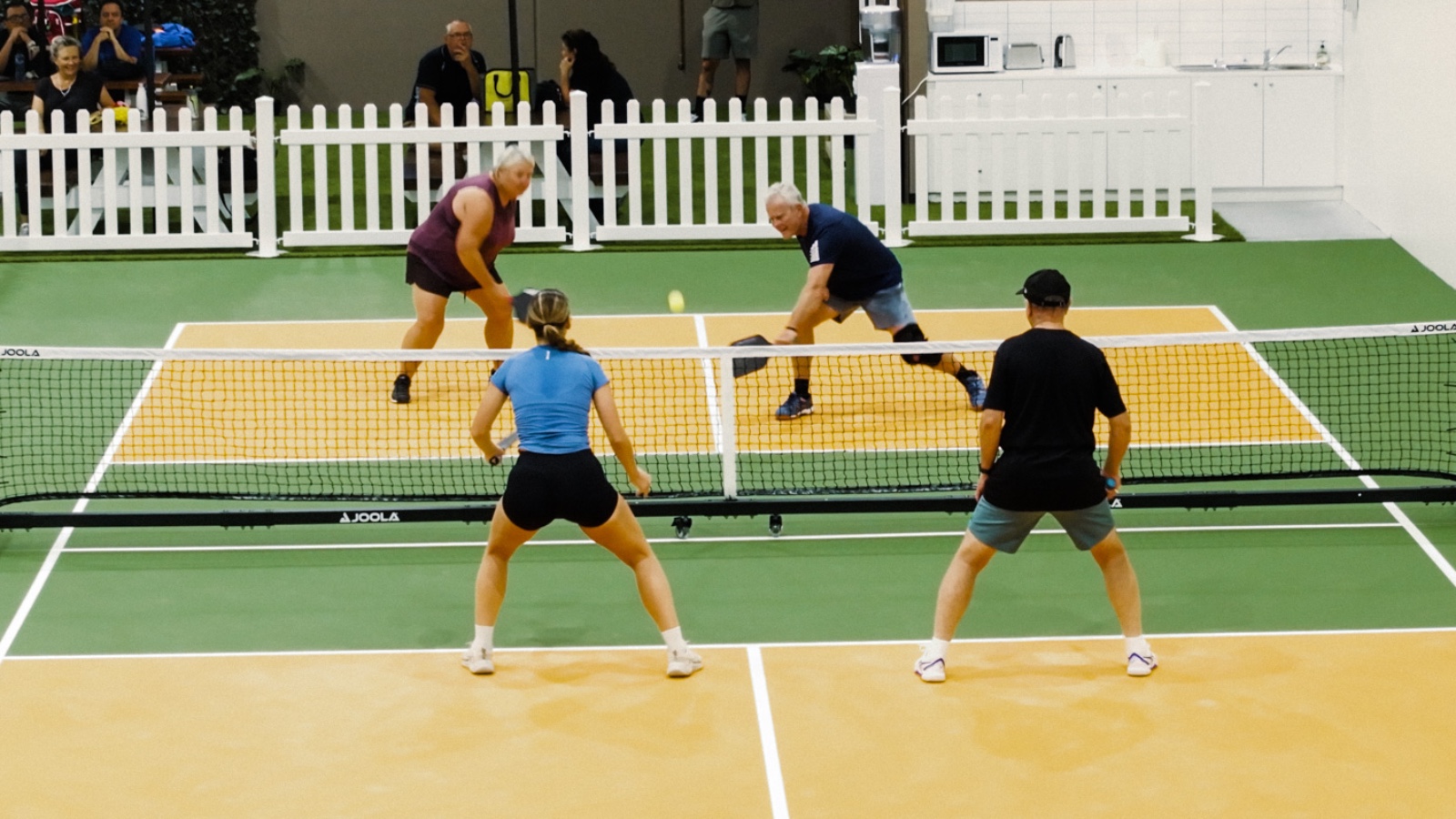
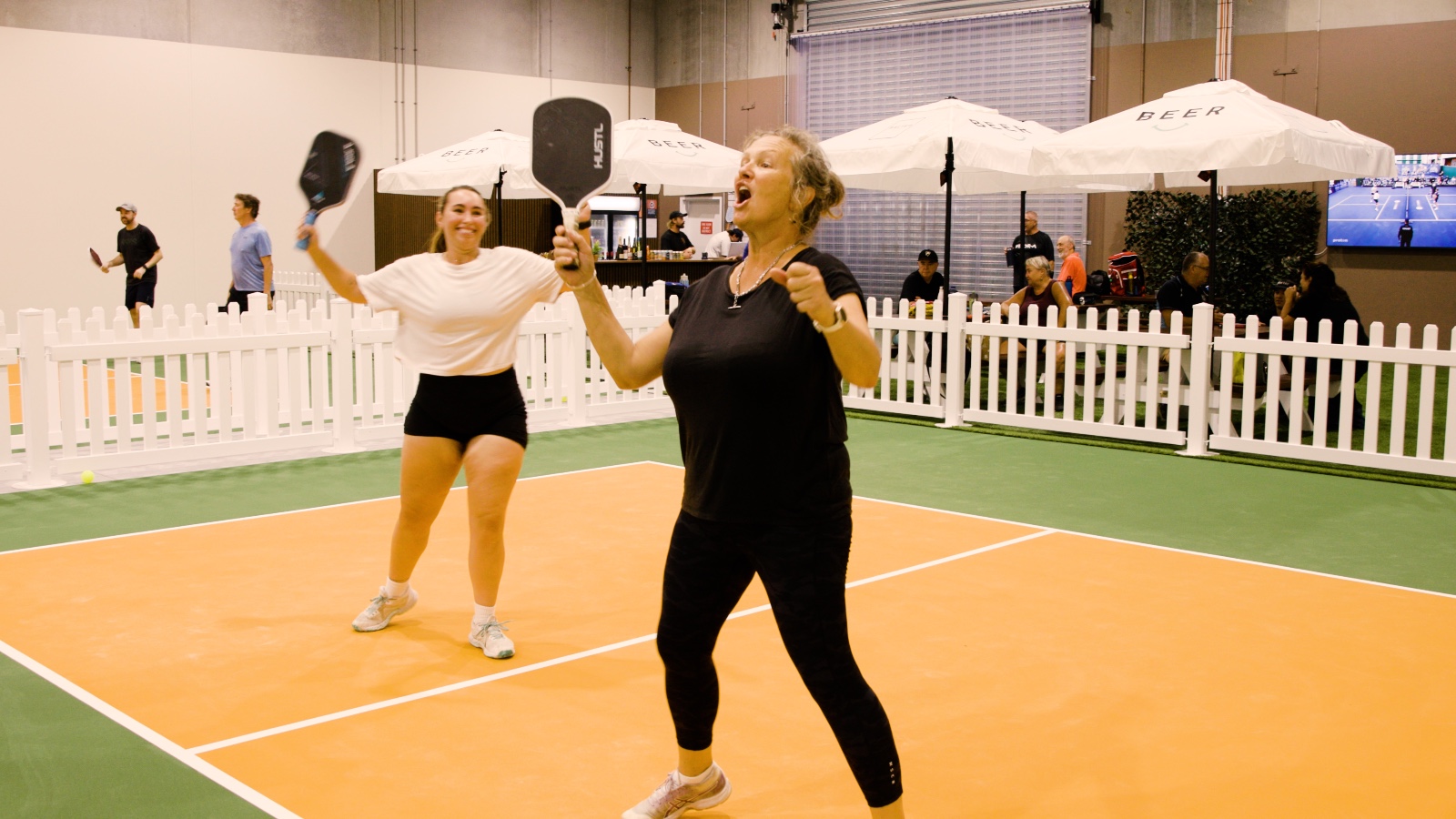
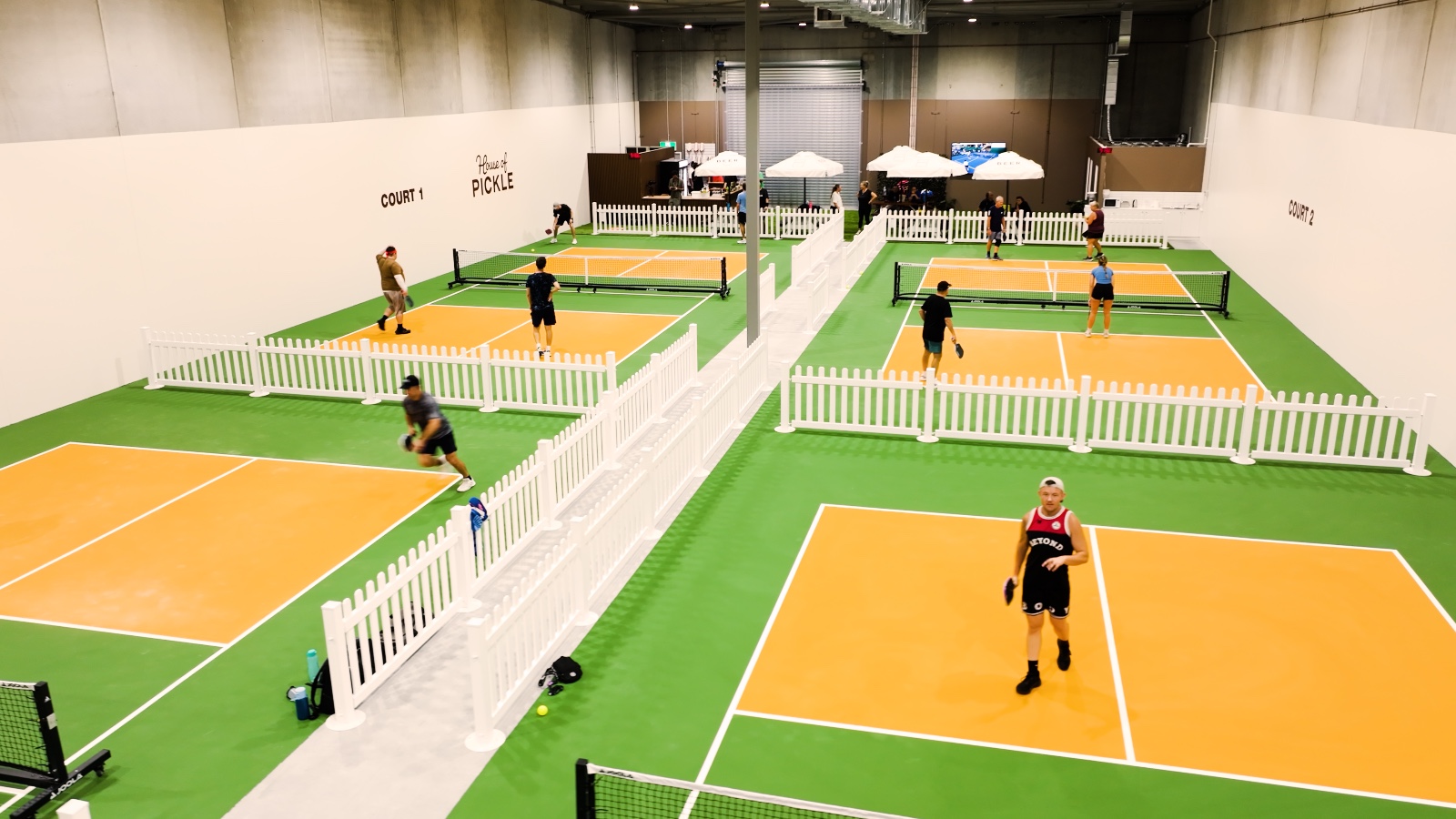
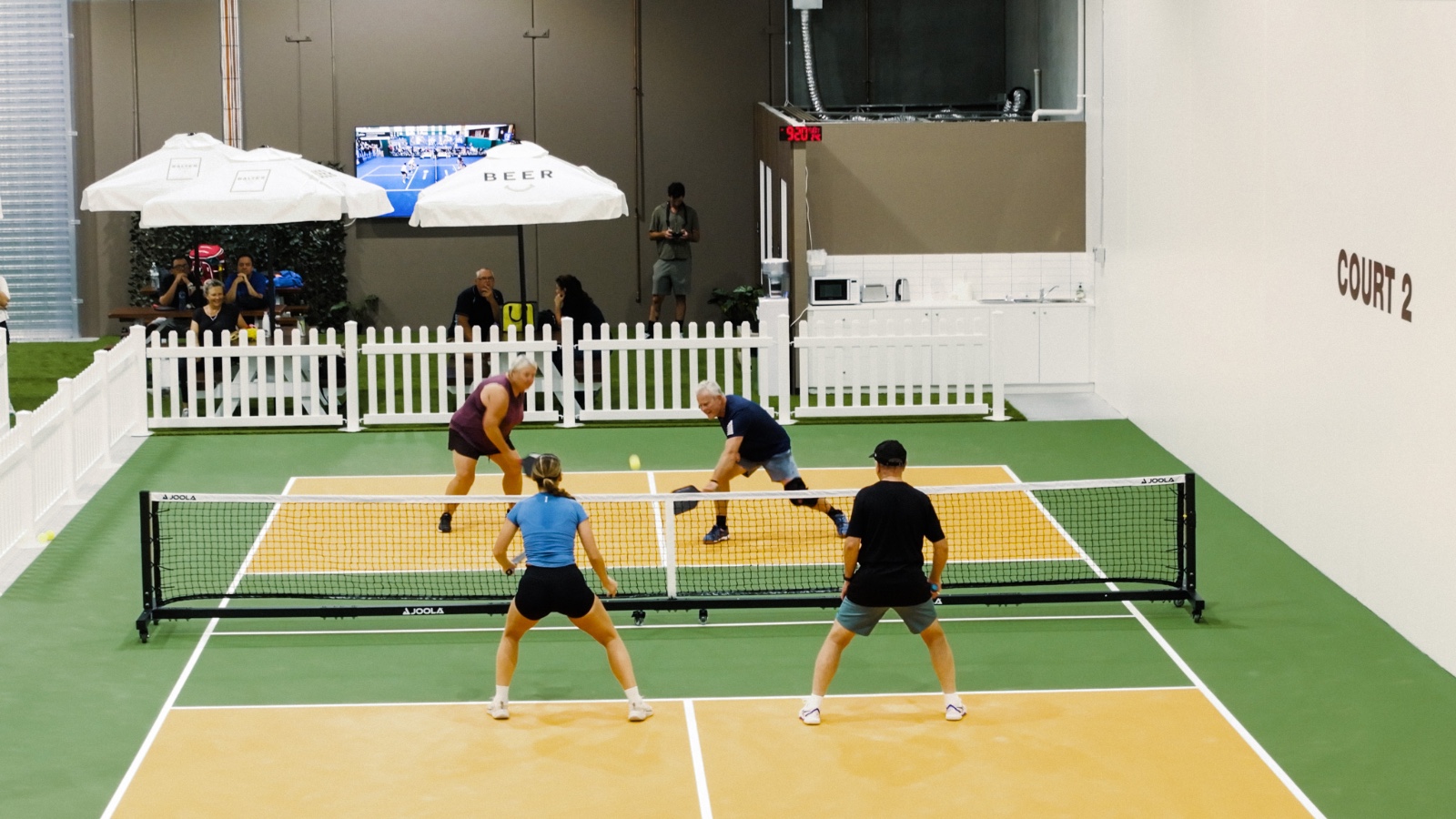
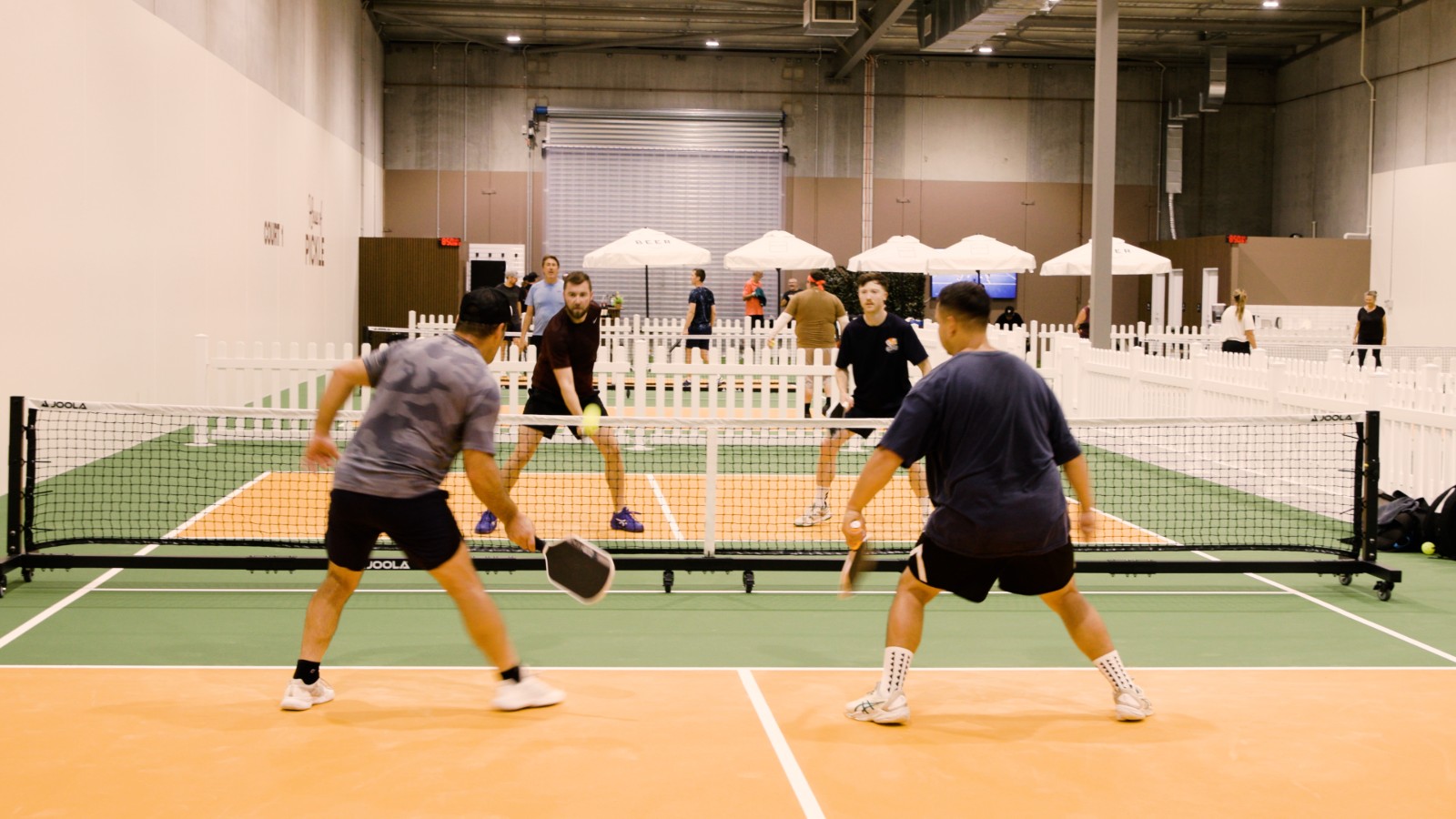
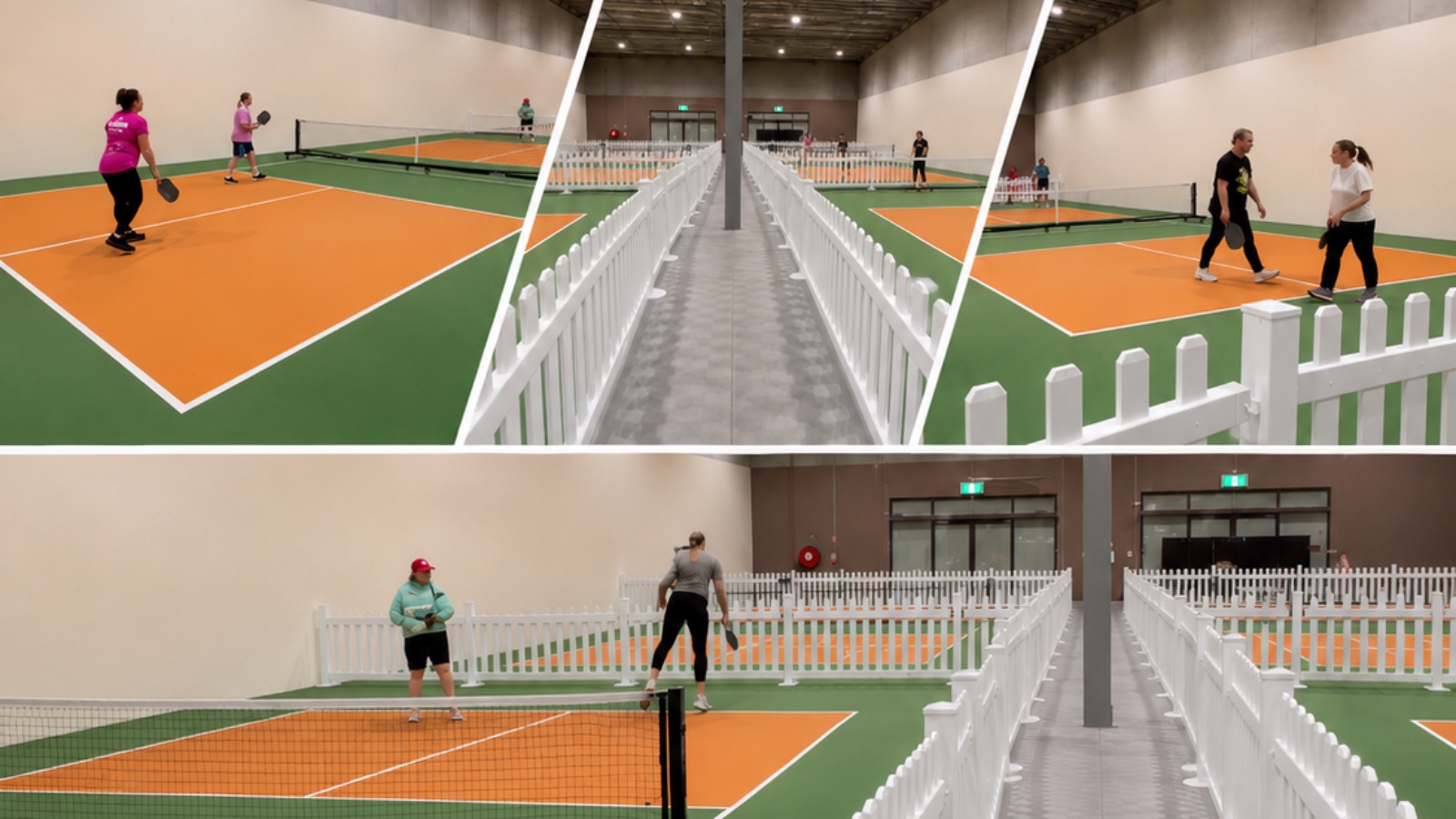
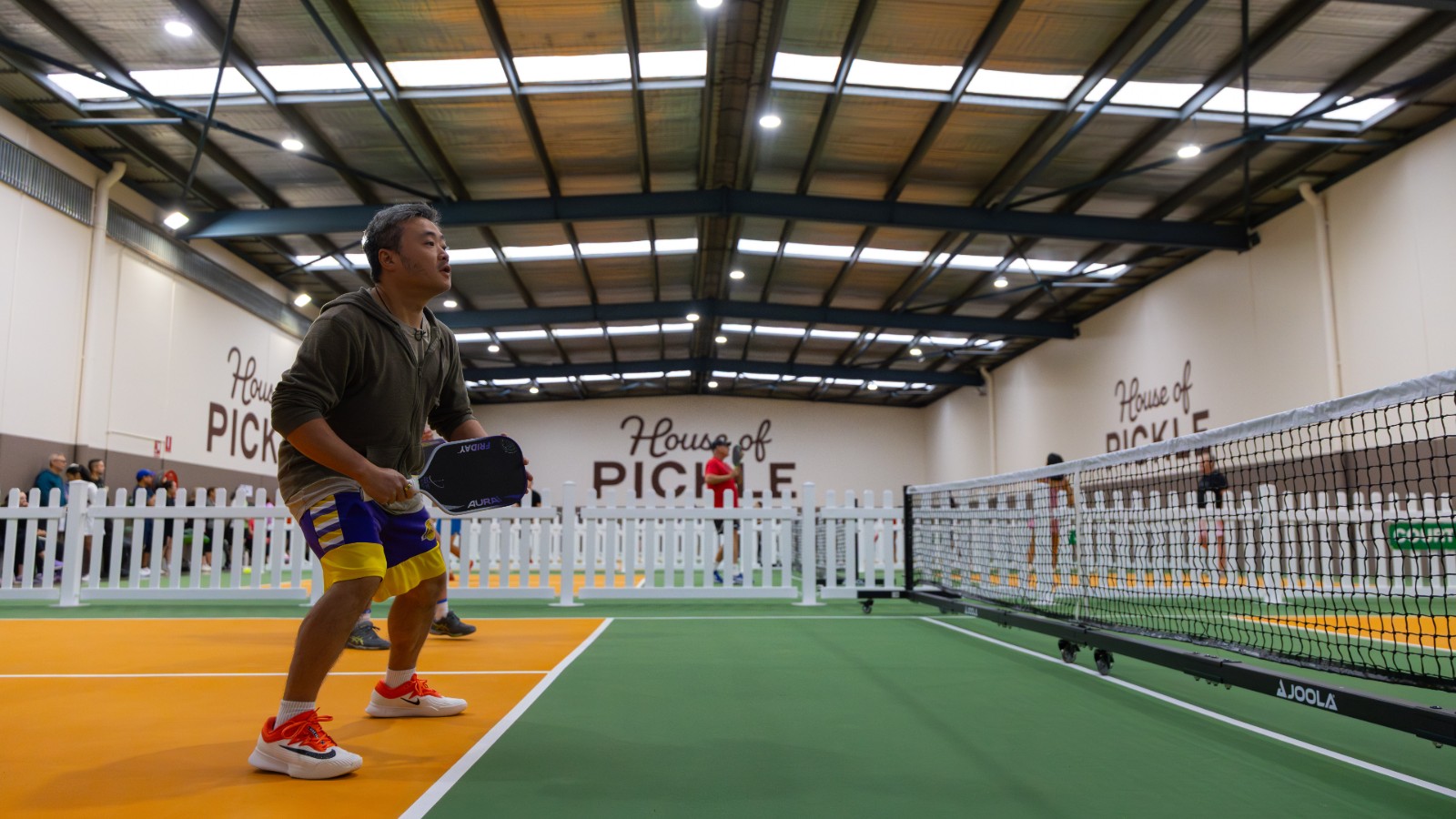
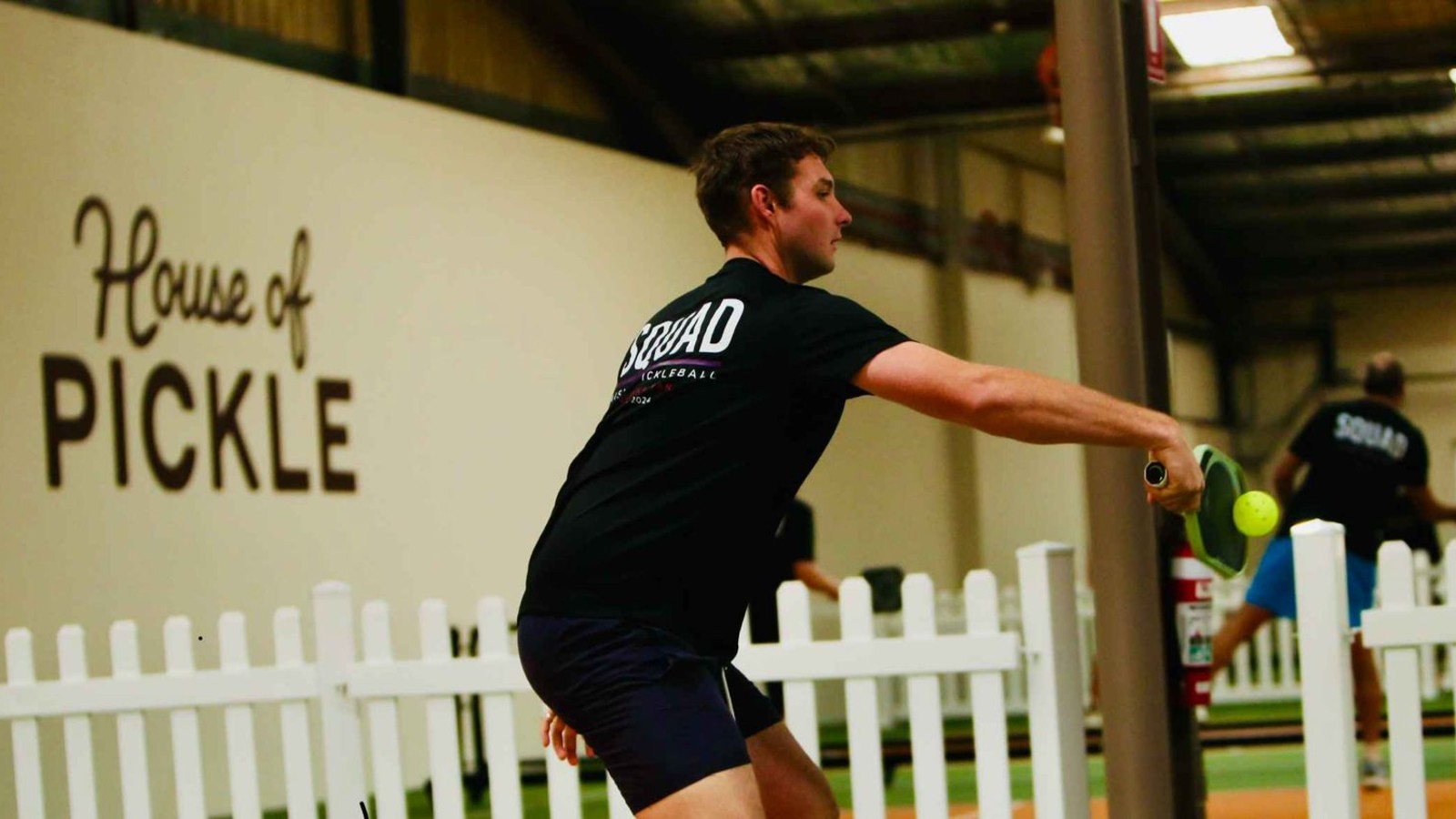
House of Pickle is a sports and lifestyle organisation focused on establishing a large network of pickleball and padel clubs across the Asia-Pacific region. The organisation provides premium facilities that combine high-quality competition courts with social hospitality to create a unique community culture. Operating across New South Wales, Victoria, and Queensland, the group focuses on making racquet sports accessible and inclusive for players of all skill levels. The organisation operates across the following locations: - Frenchs Forest, 13/25 Frenchs Forest Rd E (3 indoor courts) - Darling Harbour, 14 Darling Dr, Sydney (8 rooftop courts) - Tuggerah, 144-148 Pacific Highway (4 indoor courts) - Seven Hills, 30 Artisan Road (5 courts) - Bellambi, Bellambi Lane (8 courts) - Port Melbourne, 437 Plummer Street (5 courts) - Albion Park Rail, Princes Highway (7 courts) - Redcliffe Peninsula, Queensland (4 courts) - Currumbin, Queensland (4 courts) - Hillcrest, Queensland (6 courts) The organisation offers a variety of programmes including court hire, beginner clinics, leagues, and social open play sessions. Flexible membership options are available, such as Standard, Off-Peak, and Social plans, which provide benefits ranging from discounted court bookings and free paddle hire to food and beverage discounts. The community atmosphere is supported by weekly events and professional tournaments designed to connect players. Facilities frequently include licensed venues with bars and pro shops for equipment. Specific amenities across various sites include air-conditioning, on-site parking, shower facilities, and large screens for viewing live sports.
House of Pickle
hosue of pickle is a ....
Racquet sport is running on software the sport has outgrown.
Pickleball is the fastest growing sport in the country. The tooling around it has not moved in a decade. The people running events are not short of ideas, they are short of software that does the work.
- 01
On the platforms clubs use today, setup takes an evening
Every division, format, scoring rule and fee typed into a form designed for a desktop in 2011. Most organisers give up halfway and keep a spreadsheet alongside it, which is where the real event ends up living.
- 02
Those platforms make you build the schedule by hand
Courts, start times, finish times, how many matches each player was promised, who cannot start before ten. It is a packing problem being solved on paper, and one match running twenty minutes over re-writes the afternoon.
- 03
Players get told to check back later
No live schedule, no live bracket, no idea when you are next on. A partner entry is two emails and a bank transfer, and nobody knows whether it went through until somebody replies.
- 04
And the entry money is somebody else's first
On several incumbent platforms entry money lands in a platform balance and comes back on the platform's terms, with per-player fees layered on top that the club never sets and never sees.
People describe an app in a sentence and get an app. So why does building a tournament still start with a forty-field form?
Lobtrix is agentic from the first screen. You describe the event you are running the way you would describe it to a colleague, and it comes back as a real draft: divisions, formats, scoring, fees, entry window and schedule shape, every field editable, nothing published until you say so.
Everything the event needs, in one system.
Not a directory that lists your event and leaves you to it. These are the things Lobtrix does today, in production, for events that are already running.
Describe the event, get a full draft
Type what you are running in plain English. Lobtrix drafts the whole thing: divisions with age, gender and rating bounds, the format for each one, scoring, entry fees, the entry window and the schedule shape. You review every field and change anything you disagree with. Nothing publishes until you approve it.
A scheduler that respects your courts and your clock
Give it your courts, your start and finish time, your match length and how many matches each player is guaranteed, and it packs real matches into real slots. Per-division start times are hard floors, so the 3.5s can start at 1pm without dragging the morning with them. When the day slips, the remaining matches re-flow instead of being re-typed.
Real brackets, editable in place
Round robin, pools into playoffs, single and double elimination with proper winner and loser routing. Pool results feed the playoff bracket automatically, and an organiser can drag a team, fix a seed or correct a result and watch everything downstream re-resolve.
- Scoring set per division
- Rally or side-out, first to whatever number, win by one or two, best of one, three or five. Set it per division. There are no presets to bend your event around, and the scoring you choose is what the scorers and the live results use.
- Multi-division entry with eligibility checked
- A player picks every division they want in one pass. Age, gender and rating bounds are checked before anything is added, so nobody pays for a division they cannot play. The event fee and the per-division fee are shown as one number before they commit.
- Split payments between partners
- A doubles entry can be paid in full by one player, or split so each partner pays their own half. The spot is held while the second half is outstanding, and if the partner never confirms it is released back to the field.
- Waitlists, late entries and day-of changes
- When a division fills, the waitlist promotes in order as spots open. Organisers can add a player after entries close, mark a no-show, substitute one player for another or move somebody between divisions, and the schedule, draw and money follow.
- Live scoring and a public day-of view
- Scores go in from a phone at the court on a one-handed keypad. Brackets, standings and schedules update as they land, and there is a full-screen view for a venue screen. Players see their next court without asking anybody.
- Money that goes straight to the club
- Entry money settles into the club's own connected Stripe account on Stripe's normal schedule. It is never held in a Lobtrix balance.
- Corporate event days as a first-class format
- An organiser hosts a workplace day for a client: import the staff roster from a spreadsheet, balance teams by gender if it matters, run a rotating partner mixer, set match lengths from five to ninety minutes, print the run sheet and work the day from a director's console.
- An enquiries desk instead of an inbox
- Players contact the organiser through a threaded desk inside the platform, so a personal email address never has to appear on a public listing.
- Roster privacy that holds by default
- Contact details stay masked until an organiser deliberately unlocks them, and CSV exports mask them too.
What changes when the software actually does the work.
| Lobtrix | Legacy platforms | Spreadsheets | |
|---|---|---|---|
| Setting the event up | |||
| Describe the event and get a full draft back | |||
| Scoring set per division, not per platform | Fixed presets | Manual | |
| Age, gender and rating bounds per division | |||
| Publish without a subscription | US$10 per event | Plan or per-entry | |
| Running the day | |||
| Auto-schedule across courts and hours | |||
| Guaranteed matches per player as an input | |||
| Per-division start times honoured | Partial | ||
| Re-flow the day when a match runs over | |||
| Live bracket and standings for players | Varies | ||
| Waitlists, late entries, no-shows, substitutions | Partial | Manual | |
| Money | |||
| Entry money into your own Stripe account | Platform balance | Bank transfer | |
| Split a doubles entry between partners | |||
| Itemised ledger and payout status | Partial | ||
| Percentage taken from your entry fees | None | Common | None |
Legacy platforms differ from one another, and some do more than others. This compares the common experience organisers describe today, not any single named product.
One workspace from first draft to final payout.
Every event has the same six surfaces, whether it is a Saturday social, an eight-week league or a two hundred person corporate day.
- 01
Overview
Entries, revenue, fill rate per division and what still needs a decision, on one screen for every event you are running.
- 02
Registrations
A spreadsheet-grade table of every entry: who has paid, who is half-paid, who is waitlisted, who is a no-show. Filter it, sort it, act on a row without leaving it.
- 03
Divisions
Formats, scoring, price, capacity, age, gender and rating bounds per division, all editable until the event is locked.
- 04
Schedule and brackets
One tab. Generate the plan, see it as a court-by-time calendar grid, drag a match, publish the schedule to players when you are ready.
- 05
Event day desk
Check-in, score review, waitlist promotion, refunds, substitutions and announcements, all in one place while the event is live.
- 06
Payouts and ledger
Every payment, fee and refund itemised, with your Stripe payout status alongside it.
One platform, three sides of the sport.
Find it, enter it, know exactly when you are on.
Browse events- Browse open tournaments and leagues with the real price, venue and dates on the card.
- See which divisions you are eligible for before you pay.
- Enter several divisions in one pass and pay once.
- Invite a partner and split the payment, or pay for both of you.
- Live schedule, live bracket and live results on your phone during the event.
Flat fees, stated plainly.
One setup fee when you publish a tournament or a league. No subscription, no per-entry cut and no percentage of your entry fees. Entry money settles into your own Stripe account, in your local currency, on Stripe's normal payout schedule. Lobtrix never holds it.
A flat platform fee on top of the organiser's entry fee, shown before you pay. It does not scale with the price of the event.
Waives the US$3 fee on every division you enter. Worth it from roughly two divisions a month.
Workplace days hosted by an organiser carry no Lobtrix setup fee. The organiser invoices their client directly.
Questions, answered properly.
What is Lobtrix?+
Lobtrix is a platform for running and playing racquet sport competition, starting with pickleball in Australia. Clubs and organisers publish tournaments, weekly leagues and corporate event days on it. Players find those events, check which divisions they are eligible for, enter with a partner and follow their schedule and results. The same system handles setup, entries, payments, the draw, the schedule, live scoring and the money, so nothing has to be re-keyed between tools.
How much does it cost me as a player?+
You pay the entry fee the organiser has set, plus a US$3 Lobtrix platform fee per division you enter. Both figures are shown before you pay. Some events charge a single event entry fee, some charge per division, and some charge both. If you play often, Player Plus is US$5 a month and waives the US$3 fee on every division you enter.
Why do some events show a price range?+
Because an organiser can price each division differently. If one division is $30 and another is $50, the card shows $30 - $50 per player so you know the spread before you open the event. The exact price for the division you choose is confirmed at checkout.
Can I enter more than one division?+
Yes. Pick every division you want in one pass and pay for them together. Lobtrix checks your eligibility first, using your age, gender and any rating range the organiser has set on that division, so you cannot accidentally pay for something you are not allowed to play.
How do partners and split payments work?+
For a doubles entry you invite your partner by email. You can pay for both of you, or turn on split payments so each of you pays your own half. Your side is held while your partner's half is outstanding. If your partner never confirms within the organiser's window, the entry is released so the spot goes back to the field rather than sitting on a dead hold.
Do I need a DUPR rating to play?+
No. Plenty of events are social and are not DUPR rated. Competitive divisions can be marked DUPR rated and can set a rating range, and the listing tells you which divisions you qualify for before you enter.
What happens on the day of the event?+
Your schedule, court and opponents are in your account and update live. Organisers run check-in, enter or approve scores, handle no-shows and substitutions, and any change re-flows through the schedule and the public results immediately. You do not need to stand at a whiteboard to find out when you are next on.
What does the AI actually do?+
Three concrete jobs. It drafts a complete event setup from a plain description, divisions, formats, scoring, fees and entry windows, which an organiser reviews and approves before anything is published. It packs the schedule, taking your courts, your start and finish times, per-division start times and the number of matches you want each player guaranteed, and fitting real matches into them. And it re-plans mid-event when the day slips, so the remaining matches are re-flowed rather than rewritten by hand.
How do organisers get paid?+
Entry money settles into the organiser's own connected Stripe account on Stripe's normal payout schedule. It is never held in a Lobtrix balance and Lobtrix does not take a percentage of the entry fee. Organisers pay a flat US$10 setup fee per published tournament or league.
Can I run a corporate or workplace event?+
Yes, and it is hosted by an organiser rather than the company signing up itself. Corporate events use a guided setup with a staff roster import, optional gender balancing, a rotating partner mixer, custom match lengths, a printable run sheet and a director's console for the day. There is no setup fee for corporate event days.
How quickly can a club publish an event?+
Minutes. Describe the event, review the drafted divisions, scoring, fees and entry window, adjust anything you want, then publish. Nothing goes live until an organiser has approved every field.
Will Lobtrix support other racquet sports?+
Yes. The platform is built around courts, divisions, draws and scoring formats rather than around pickleball specifically, so tennis, padel and squash are the natural next steps.
Find your next event
Browse everything open for entry right now, check the divisions you are eligible for and sign up with your partner.
Browse tournamentsPublish your first event
Describe it once, approve the draft, take entries into your own Stripe account. US$10 flat per published event.
See the organiser platform